Hoarding cleanouts, without the lecture
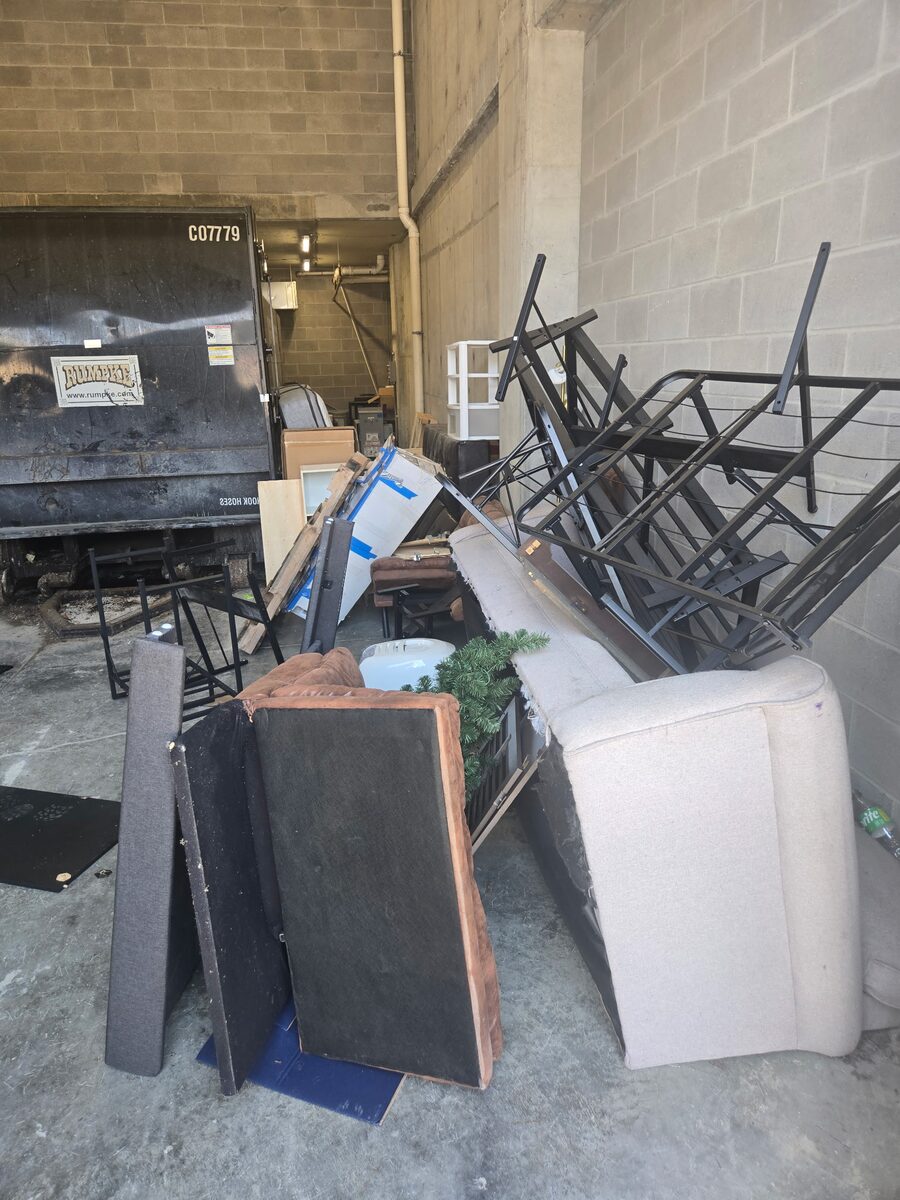
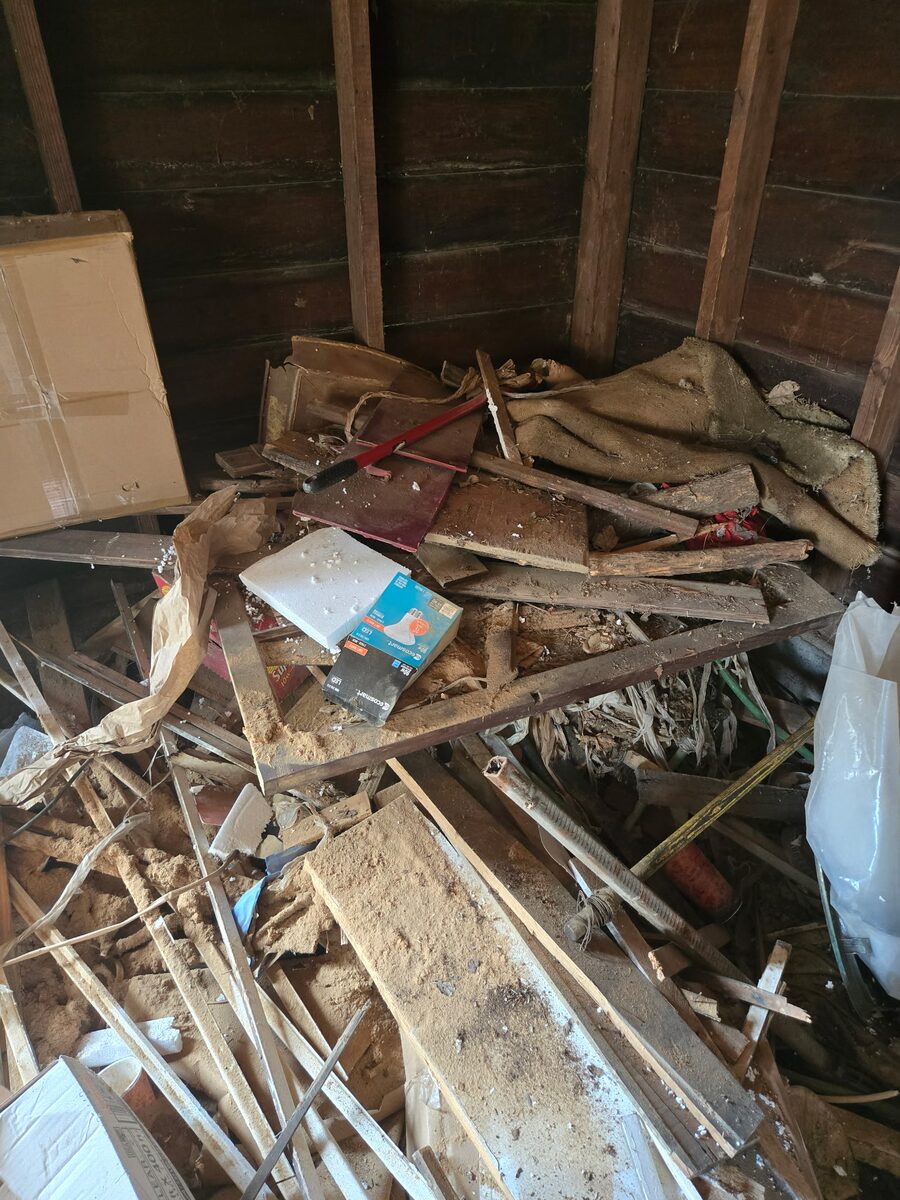
If you are calling about a hoarded home, it is usually a family member’s, and you are probably bracing for a reaction. You will not get one from us. We have seen it before, we are not there to comment on it, and the crew’s only question is where you want to start.
These jobs go slower than a standard cleanout on purpose. Paperwork, cash and photographs turn up in the unlikeliest places in a hoarded house, so we go through it by hand and set aside anything that looks personal or valuable. If the person who lives there is still involved, we can work at the pace they can manage, a room at a time.
Foreclosures and evictions for owners and property managers
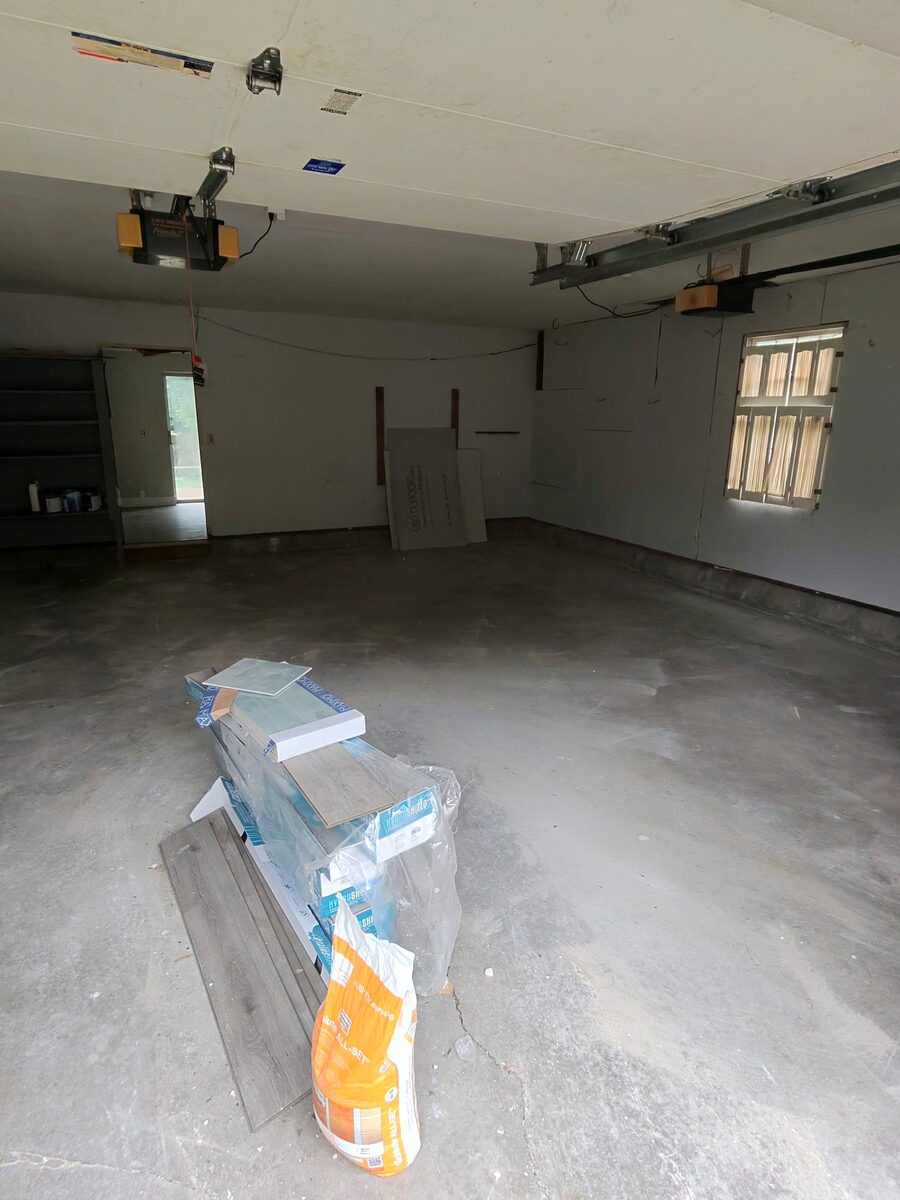
A unit left full after an eviction or a bank-owned house full of the last owner’s things is a cost every day it sits. Landlords, property managers and realtors need it empty and ready to show, usually by a specific date, and they often cannot be there while it happens.
That suits the way we already work. Send photos or a lockbox code, we confirm the price by phone or text before anything is loaded, and we send word when the unit is empty. Pay by card, check, Venmo, Zelle, Cash App or online invoice once it is done — no deposit and no one needs to meet us at the property.
Biohazards: tell us first
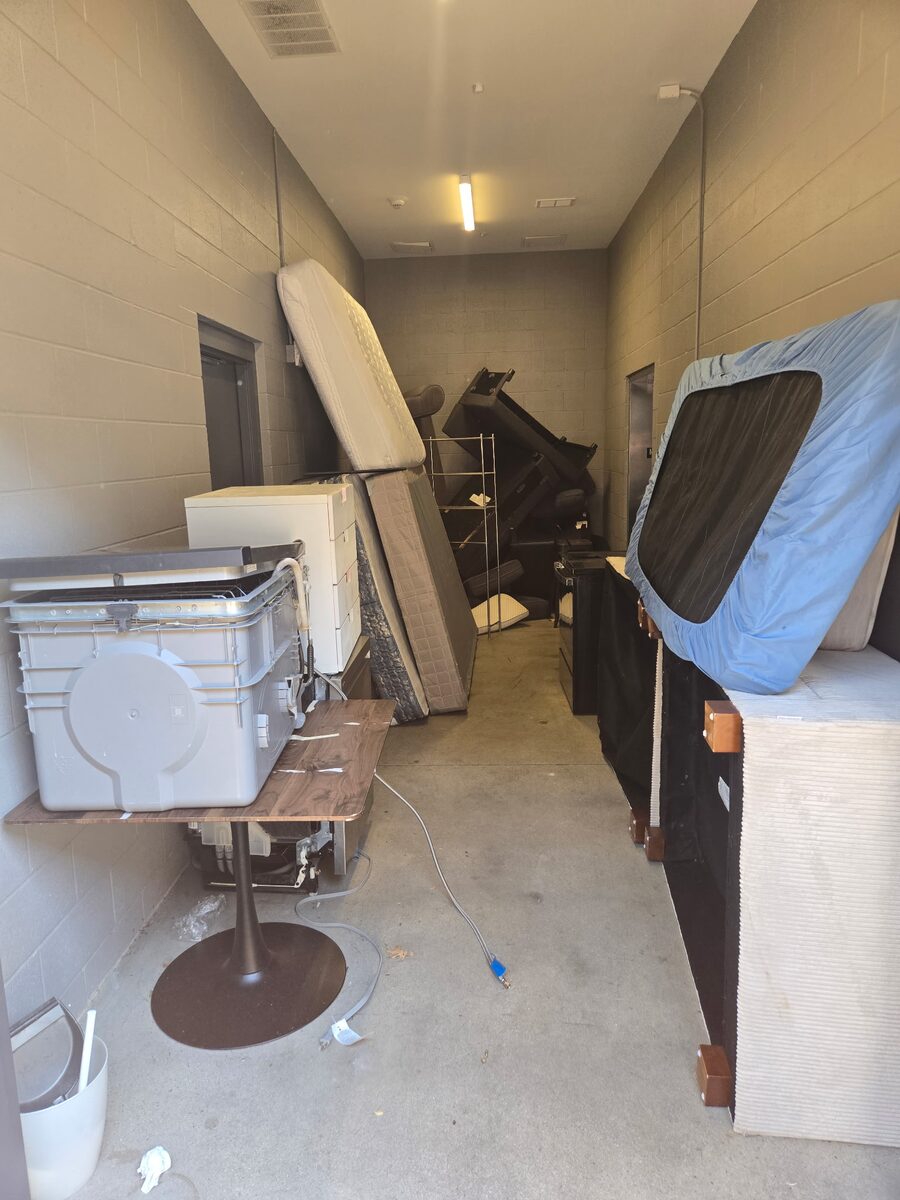
Biohazard cleanouts are a separate category from the hazardous chemicals we cannot take, and we do take them: bed bug and roach infestations, homes with needles, animal feces. Most companies will not.
What we need is honesty up front. Tell us what is in the property when you call, so the crew arrives in the right protective gear and the quote reflects the extra time and care. A job that turns out to involve needles we were not warned about has to stop while we re-equip, which helps nobody.